
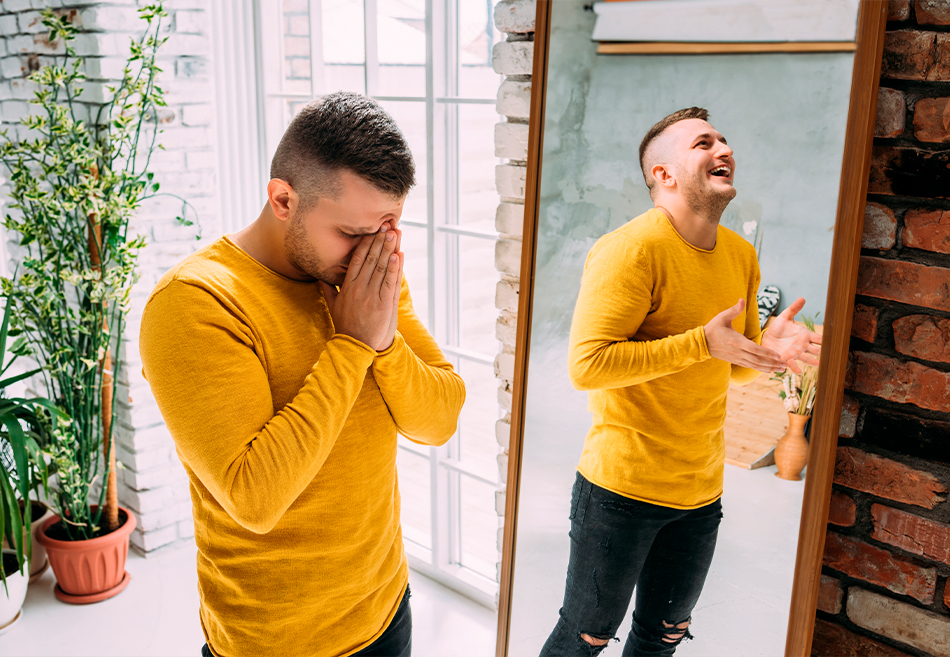
Have you ever felt really sad for weeks at a time? Maybe you’ve lost interest in things you used to love, or you just can’t seem to get out of bed in the morning. These feelings might be signs of depression. But there is another condition called bipolar depression that can look a lot like regular depression, while needing different treatments.
Understanding the difference between depression and bipolar depression can be life-changing. If you’ve been treated for depression but haven’t gotten better, or if antidepressants seem to make things worse, it might be time to consider whether bipolar disorder could be the real issue.
Bipolar Depression vs Depression: Key Differences
So how do you tell the difference between depression and bipolar depression? Here are the main things to look for:
The Mood Swings
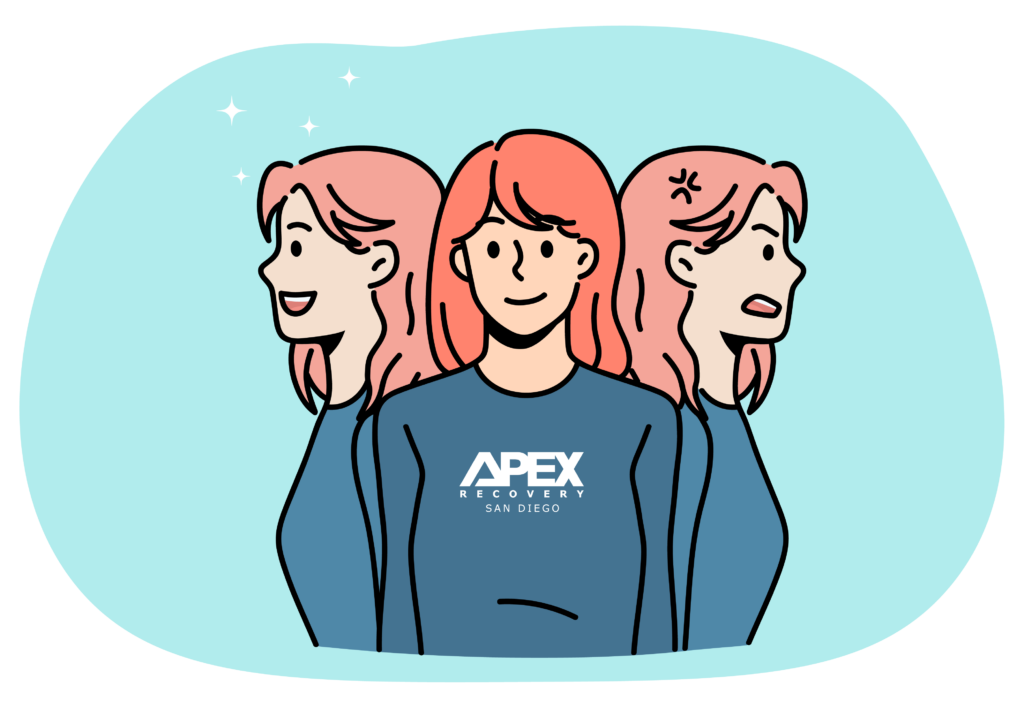
The biggest difference is the presence of manic or hypomanic episodes. People with bipolar disorder experience extreme mood swings that cycle between depression and mania (or hypomania, which is a less intense form of mania).
Age of Onset
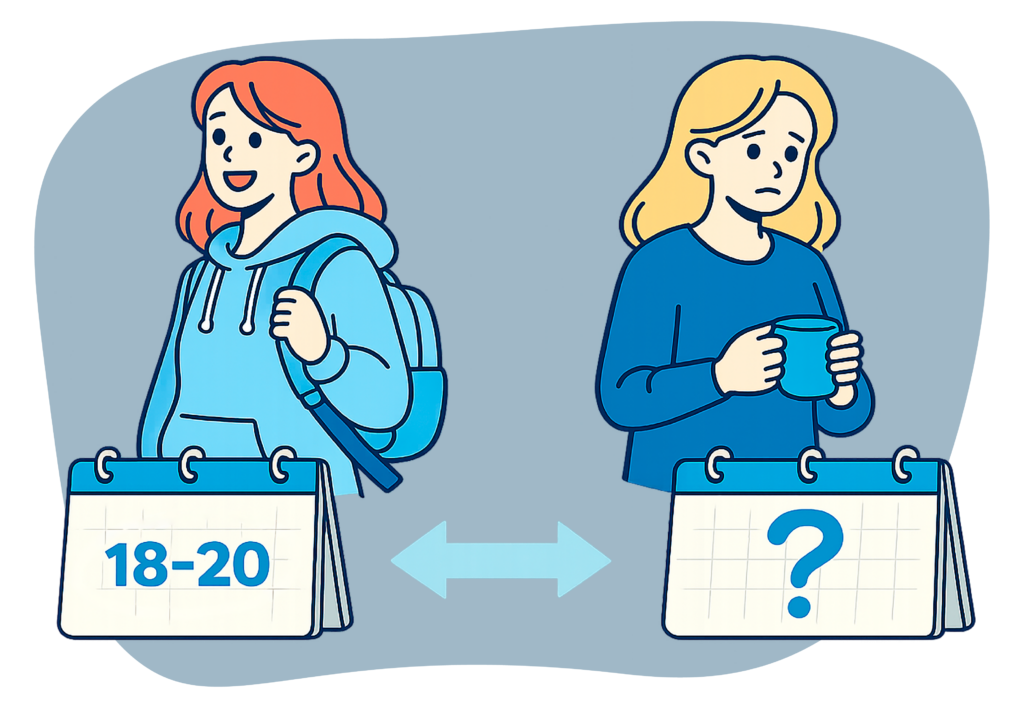
Bipolar disorder often starts showing up in the late teens or early twenties, while depression can begin at any age.
Family History
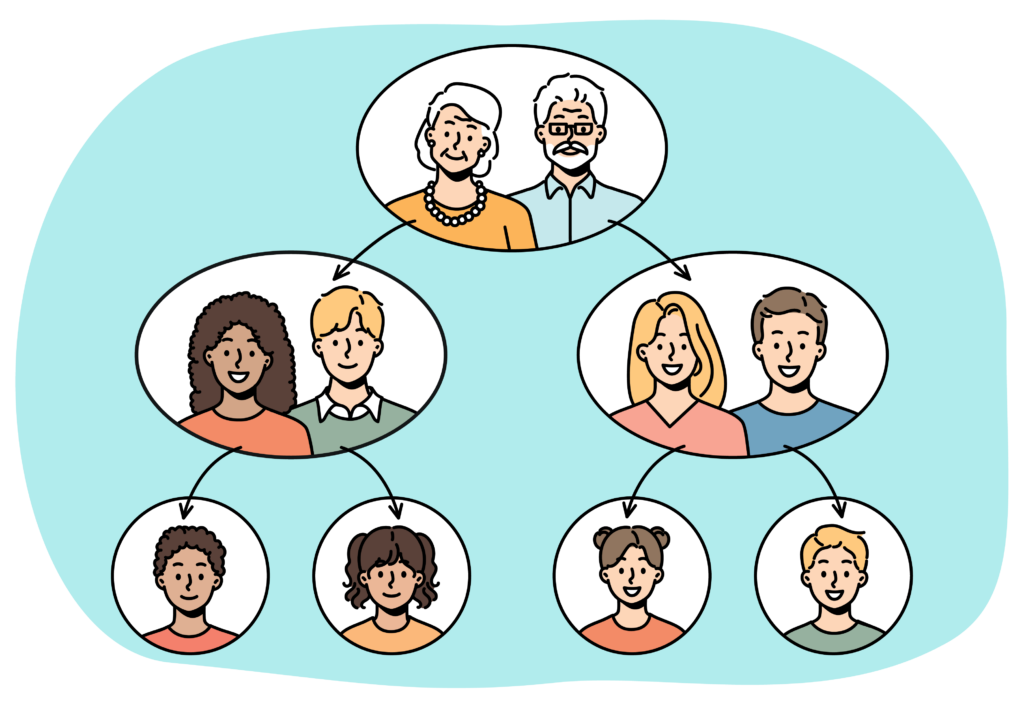
Bipolar disorder tends to run in families more strongly than depression does. If you have close relatives with bipolar disorder, you’re at higher risk.
Sleep Patterns
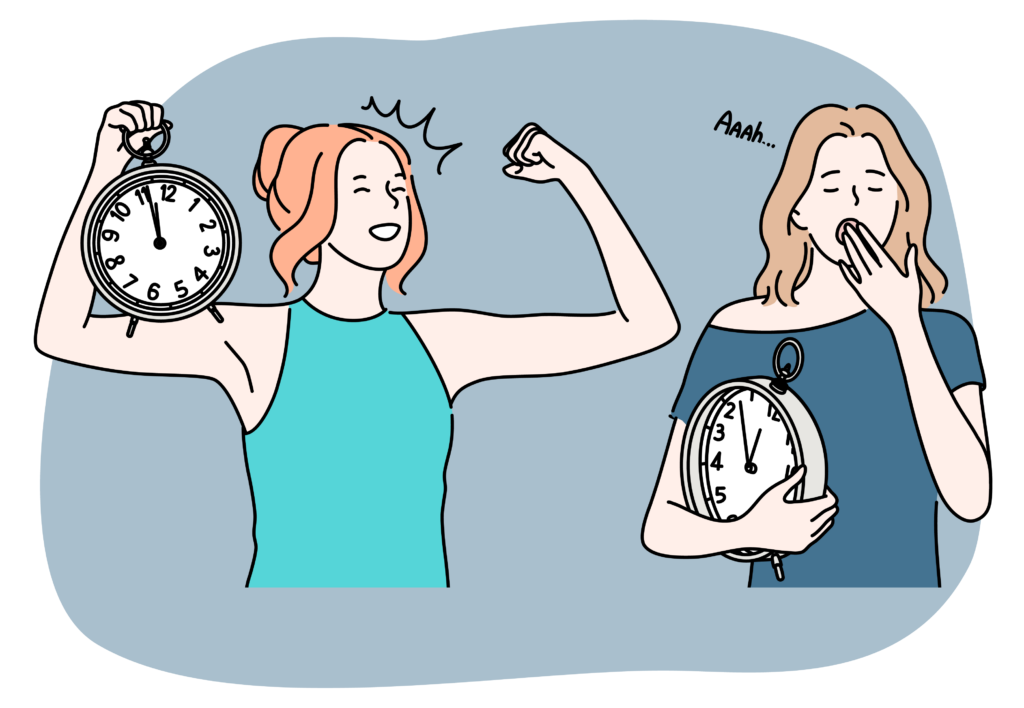
During depression, people usually sleep too much or can’t sleep well. But during bipolar depression, some people might experience decreased need for sleep (feeling rested with very little sleep), which can be a warning sign of an upcoming manic episode.
Response to Antidepressants
People with bipolar depression who take regular antidepressants without mood stabilizers might experience a manic episode. This is actually one way doctors sometimes discover someone has bipolar disorder instead of regular depression.

How to Tell If It’s Bipolar Depression
Figuring out if you have bipolar depression instead of regular depression can be tricky. Here are some questions to ask yourself or a loved one:
- Have you ever had periods where you felt extremely energetic, needed very little sleep, and felt like you could accomplish anything?
- Have people told you that sometimes you seem like a completely different person?
- Do you have times when you make impulsive decisions you later regret, like spending lots of money or taking big risks?
- Have you noticed a pattern where your mood goes up and down in cycles?
- Does anyone in your family have bipolar disorder?
If you answered yes to several of these questions, it’s worth talking to a mental health professional about the possibility of bipolar disorder.
What is Bipolar Disorder Depressive Episode?
A depressive episode in bipolar disorder can look identical to regular depression. Someone might feel hopeless, lose interest in everything, struggle to get out of bed, and have trouble concentrating. These episodes can last for weeks or months.
Some people with bipolar disorder spend much more time in depressive episodes than in manic ones. This is why bipolar disorder is so often misdiagnosed.
Misdiagnosed Depression: The Bipolar Connection
Misdiagnosis is a huge problem when it comes to bipolar disorder. Studies show that many people with bipolar disorder are initially diagnosed with depression and spend years receiving the wrong treatment.
First, people are more likely to seek help during depressive episodes because they feel terrible. During manic episodes, people often feel great and don’t think anything is wrong, so they don’t mention these periods to their doctor.
Second, doctors might not ask the right questions about past manic or hypomanic episodes. A quick appointment might focus only on current symptoms.
Third, hypomanic episodes can be subtle. Someone might just seem really productive, happy, and energetic for a while, which doesn’t seem like a problem.
Getting the right diagnosis matters because the treatments are different. Regular antidepressants alone can actually make bipolar disorder worse by triggering manic episodes.
Remember, there’s no shame in having either condition. Both depression and bipolar disorder are medical conditions that respond to mental health treatment. The key is getting the right diagnosis so you can get the right personalized treatment plan.
At Apex Recovery, the experienced team understands the complexities of mood disorders. They know that getting an accurate diagnosis is the first step toward feeling better. Their comprehensive approach includes thorough assessments, evidence-based treatments, and ongoing support to help you manage your symptoms and build a better life.
Reach out to learn more about personalized treatment plans.
Bipolar Depression Treatment
Treating bipolar depression requires a different approach than treating regular depression. The goal is to manage both the depressive episodes and prevent manic episodes.
Treatment usually includes:
Mood Stabilizers: Medications to help prevent the extreme ups and downs of bipolar disorder.
Atypical Antipsychotics: Some of these medications are approved specifically for bipolar depression.
Therapy: Cognitive behavioral therapy (CBT) and other types of counseling help people understand their condition, recognize warning signs, and develop coping strategies.
Lifestyle Changes: Regular sleep schedules, stress management, and avoiding alcohol and drugs are crucial for managing bipolar disorder.
Support Systems: Having a strong support network and working with experienced professionals, like at Apex Recovery, makes a huge difference.
Finding the Right Help at Apex Recovery
If you’re in the San Diego area and struggling with depression or bipolar depression, Apex Recovery offers specialized treatment programs designed to help you get the right diagnosis and the right treatment plan.
Whether you’re dealing with depression, bipolar disorder, or you’re not sure which one you have, Apex Recovery provides a safe, supportive environment where you can get the holistic and evidence-based therapies you need. Their San Diego treatment center offers both Partial Hospitalization Programs and Intensive Outpatient Programs, so you can find the level of care that works best for your situation.