
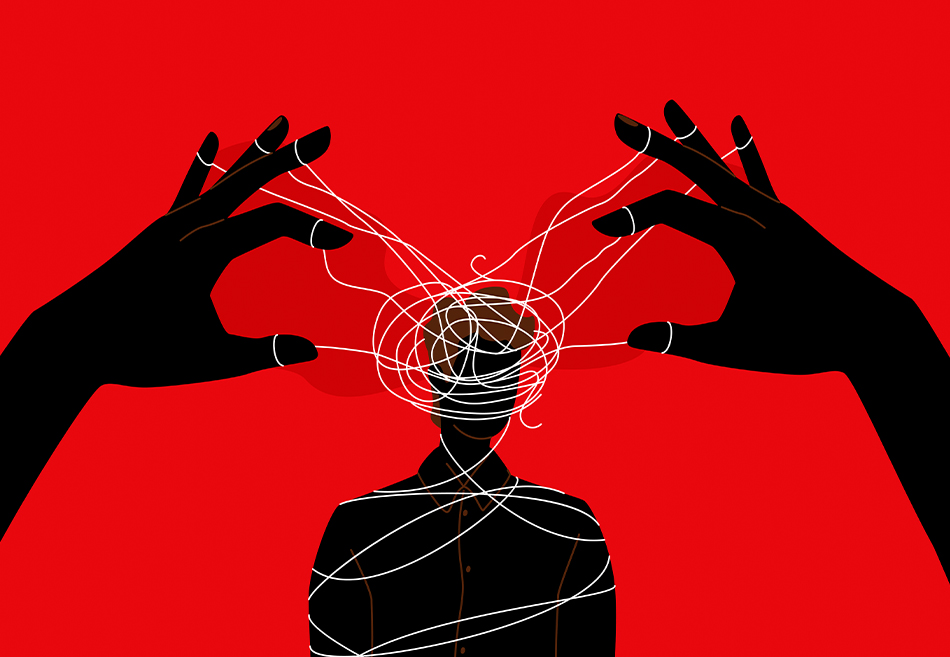
If you found yourself in a toxic or abusive relationship, would you stay or leave? The latter makes the most sense—but for some people, it’s not quite as simple as it seems. Trauma bonding, or the process of forming a strong emotional connection to someone who hurts you, often complicates what might otherwise be a straightforward decision. Our brains respond in particular ways to cycles of abuse and kindness; understanding how they do can help you break that pattern
What Is Trauma Bonding?
When exposed to repeated abuse, followed by repeated kindness, the human brain creates a powerful sense of attachment to the person responsible. In the world of anxiety and depression therapy, this is known as trauma bonding: Abuse magnifies kindness, even if that “kindness” is nothing more than basic human decency.
How does that manifest? We can break trauma bonding in relationships down into seven stages.
Stage 1: Love Bombing
This common manipulative tactic involves showering a person with affection, or “bombing” them with compliments, gifts, and the like. Why does it work? Simply put, the attention feels nice—and comes so quickly that it’s difficult to spot abusive tendencies until it’s too late.
Stage 2: Trust and Dependency
Over time, that artificial affection encourages a person to emotionally rely on their abuser. They may feel that person’s essential to their happiness, and as a result, they may begin to withdraw from other relationships. This dependency slowly leads to isolation; it mirrors addiction.
Stage 3: Criticism
Eventually, criticism replaces an abuser’s compliments. They may take aim at how a person dresses, who they socialize with, or how they see the world. As those critiques become more frequent, and as they sound more like insults, an individual’s confidence starts to fade. Rather than brushing them off as snide comments, they might take them as an indictment of their character—and they may start to believe it.
Stage 4: Manipulation and Gaslighting
In addition to criticism, an abuser might deny saying hurtful things, accusing their victim of being too sensitive or misremembering their comments. If this goes on for long enough, it can make a victim doubt their reality—a phenomenon known as gaslighting. On top of that, an abuser might guilt their target or threaten leaving them to manipulate them into taking a certain action.
Stage 5: Resignation
Exhaustion. Confusion. Defeat. The cumulative effect of emotional whiplash can lead a victim into resignation, a state where their personality and interests have been replaced by a desire to keep the peace. They might try to excuse their abuser’s behavior to their friends and family. But deep down, they know something’s wrong—and feel trapped in their relationship.
Stage 6: Loss of Self
Ultimately, the victim’s identity merges with their abuser’s. Who they were before this relationship is little more than a blur; what should be unacceptable—verbal attacks, physical altercations, and everything in between—becomes normal in their minds.
Stage 7: Addiction
Subject anyone to that cycle of trauma bonding long enough, and their brain begins craving the relief of those fleeting moments of kindness. Those glimpses give them just enough hope that the person who love bombed them will come back. Though drugs aren’t involved, addiction sets in—and it may take professional dual diagnosis treatment to reverse it.
Breaking Free from Trauma Bonding
Do any of these trauma bonding stages sound familiar? If so, there’s nothing to be ashamed of. By recognizing that pattern, you can take the first step toward healing—and although it’s difficult, you can break the emotional abuse cycle.
Our San Diego outpatient rehab center specializes in trauma recovery programs; our team of licensed therapists and counselors understands the complex psychology behind this condition. They’ll help you rebuild your sense of self—and more importantly, work with you to develop healthy relationship patterns to guard you against trauma bonding in the long term.