
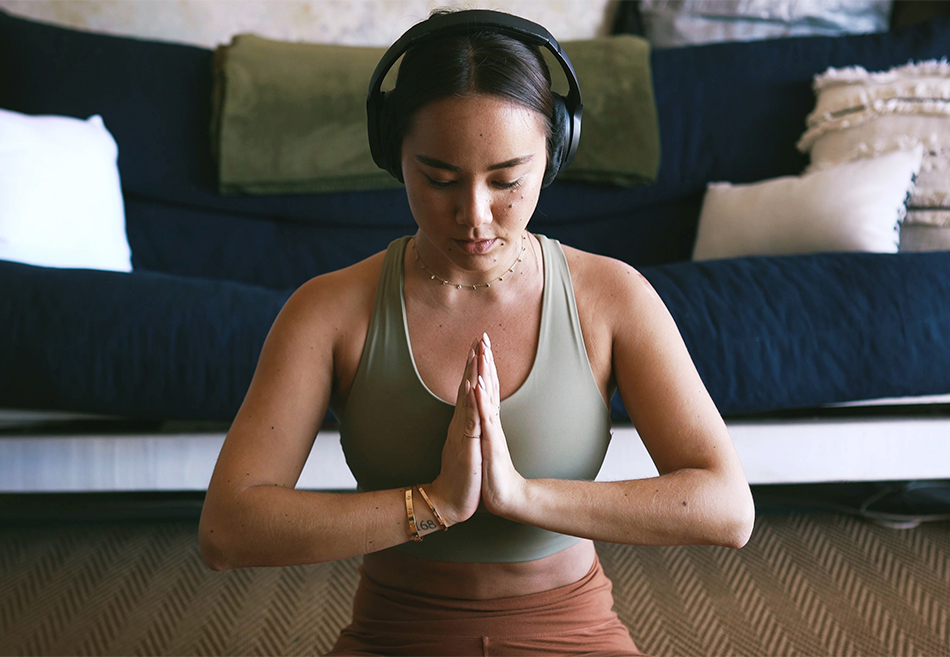
Successful recovery’s not just about stopping harmful behaviors—it’s about starting healthy ones, too. And developing a mindfulness practice along with your creative side can help you stay on the path to sobriety. Our flexible rehab programs utilize both; read on to learn why.
What is Mindfulness and Why Does It Matter?
Simply put, mindfulness is about being present. Rather than obsessing over thoughts and feelings, you sit with them, free of judgment, until they float by—like watching clouds in the sky. With time, it becomes easier. And research shows that practicing mindfulness can strengthen the parts of your brain linked to good decision-making. Pretty amazing, right?
Getting sober taxes you in many ways, including emotionally. As you move through an addiction recovery program, you may feel angry, sad, or scared; maybe your mind races as it works through anxieties over the future. Without substances to suppress them, you need a different way to manage your feelings. Mindfulness can help.
Simple Mindfulness Practices You Can Try
You don’t need intensive outpatient mental health care to develop a mindfulness practice—just a little bit of time and effort. These techniques are a good place to start.
Breathing exercises. Focus on your breath going in and out. When your mind wanders, gently bring your attention back to that constant flow.
Body scans. Bring your attention to your toes, then slowly bring it up through your body to the top of your head. Notice any tension, discomfort, or physical sensations that pop up—and instead of trying to fix them, note them in your mind and move on.
Mindful walking. Go out for a stroll and focus on your senses—the feeling of your feet touching the ground, the coolness or heat of the air on your skin, the different sounds all around you, and more.
The Healing Power of Art
It doesn’t matter if you’re an expert with canvas or a novice with clay, art helps people express their feelings. It gives them a safe outlet—and when they’re in the middle of substance use disorder treatment, that self-expression can make a difference.
Besides relieving stress and anxiety, art can improve focus and boost self-esteem. Don’t want to try your hand at painting or another visual medium? Writing counts as art, too: Poetry, journaling, and other styles are all valid ways of expressing yourself.
Music as Medicine for the Soul
What’s your favorite song? How does it make you feel—happy or sad, energized or calm? Music carries emotion, and mindfully listening to a beloved tune can help you process your feelings as you work toward recovery. Pay close attention to the lyrics and melodies, and you might notice new emotions coming to the surface.
Take up a musical instrument, and you’ll see even more benefits. Learning a new skill takes patience and dedication—both important as you receive treatment. It also unlocks music’s artistic potential: Writing and singing songs—either solo or with friends—offer another avenue for self-expression.
How Apex Recovery Brings It All Together
We understand that everyone’s path to healing looks different. That’s why, as part of our personalized rehab plans, we offer mindfulness training and art therapy at our San Diego outpatient treatment center.
Apex Recovery’s facilities have dedicated spaces for creative expression—art studios stocked with supplies, music rooms with various instruments, and quiet areas for meditation and reflection. Our experienced therapists can guide you through sessions, or you can practice on your own. The important thing is finding something that resonates with you.
Our holistic approach has powered incredible transformations; they’ve helped people face their trauma, connect with their emotions, and find peace. As you rediscover yourself in therapy, you can use these skills as tools to build a long-lasting foundation for recovery.