

Completing substance abuse disorder treatment deserves celebrating—it’s a key milestone on the path to recovery. It’s where your life after treatment begins. But how will the skills you learned at our San Diego outpatient rehab center hold up in the real world? As you start navigating everyday life without drugs or alcohol, you might find yourself struggling from time to time. That’s where a recovery toolbox comes in.
What Is a Recovery Toolbox?
Essentially, it’s a collection of skills and strategies—coping mechanisms, support systems, wellness practices, and more—that build healthy habits and help you stay sober. Whenever a craving hits, you can reach into your “kit” for the appropriate tool and address it before it spirals. It’ll take practice, but over time, picking the right one will get easier.
How Can I Build My Recovery Toolbox for Life After Treatment?
Like a personalized rehab plan, your recovery toolbox may look different from your neighbor’s. However, the skills you choose should prioritize long-term success; these seven will give you a strong foundation to build on.
1. Know Your Triggers

These are the people, places, feelings, and scenarios that make you want to use again. When do you notice the strongest cravings? What situations push you toward relapse? Keep a journal and jot some notes—once you understand your triggers, you’ll avoid and manage them better.
2. Create a Strong Support Network

Friends and family members. Therapists, sponsors, and others from recovery groups. A proper support network fills the void your outpatient drug rehab program once occupied—and by keeping a broad range of contacts, you can lean on them when you’re struggling with cravings, depression, or any other issues. (Wondering how to build your own? Apex Recovery assists with aftercare planning, too.)
3. Practice Healthy Coping Skills

Rather than using drugs or alcohol to suppress difficult emotions, choose outlets that help you manage them. Physical exercise (like walking and swimming), creative pursuits (like drawing and writing music), and wellness practices (like deep breathing and meditation) are all healthy coping mechanisms. And remember: There’s no shame in reaching out to someone and talking things through.
4. Build a Daily Routine

Besides detoxing, standard outpatient programs offer one major benefit—structure. A healthy routine can make or break your recovery, so focus on establishing healthy, repeatable habits: a regular wakeup time, consistent meals, exercising, and the like. They’ll carry you when cravings strike and buoy you between support group meetings.
5. Develop a Relapse Prevention Plan
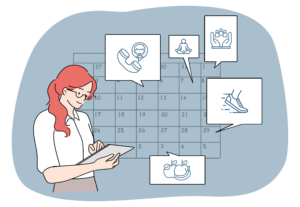
Another important consideration: Relapse occurs over time. Small warning signs can snowball, turning a manageable trigger into a crisis. By creating a prevention plan and putting it into practice, you can pick up on those signals and stop them before they grow out of control. Make note of your personal warning signs, as well as actions to take and emergency contacts you can reach out to—it might make the difference.
6. Practice Self-Care and Wellness

As you rebuild yourself in the aftermath of an addiction recovery program, place self-care at the center of your efforts. Physical, mental, emotional, and spiritual wellness all play a role in creating a life you love—one you wouldn’t risk losing.
7. Set Goals and Celebrate Progress

Maybe you’ve always wanted to learn how to play the guitar. Or, you’ve thought about going back to school. Big or small, goals give you something to strive for. Start with small, realistic targets—like staying sober just one more day. And when you hit them, celebrate! Recognize your progress and use it to keep you motivated.
Where can Apex Recovery in San Diego help me with Ongoing Support?
In addition to relying on holistic and evidence-based therapies, our San Diego outpatient treatment center works with you to actively plan for life in recovery. Counseling sessions and other meetings help you develop your toolbox, while alumni groups and additional aftercare programming can help you ensure you’re using it.
Ultimately, there’s no substitute for time and effort. But with the right tools at your disposal—and support from Apex Recovery—you can make sure sobriety sticks.