
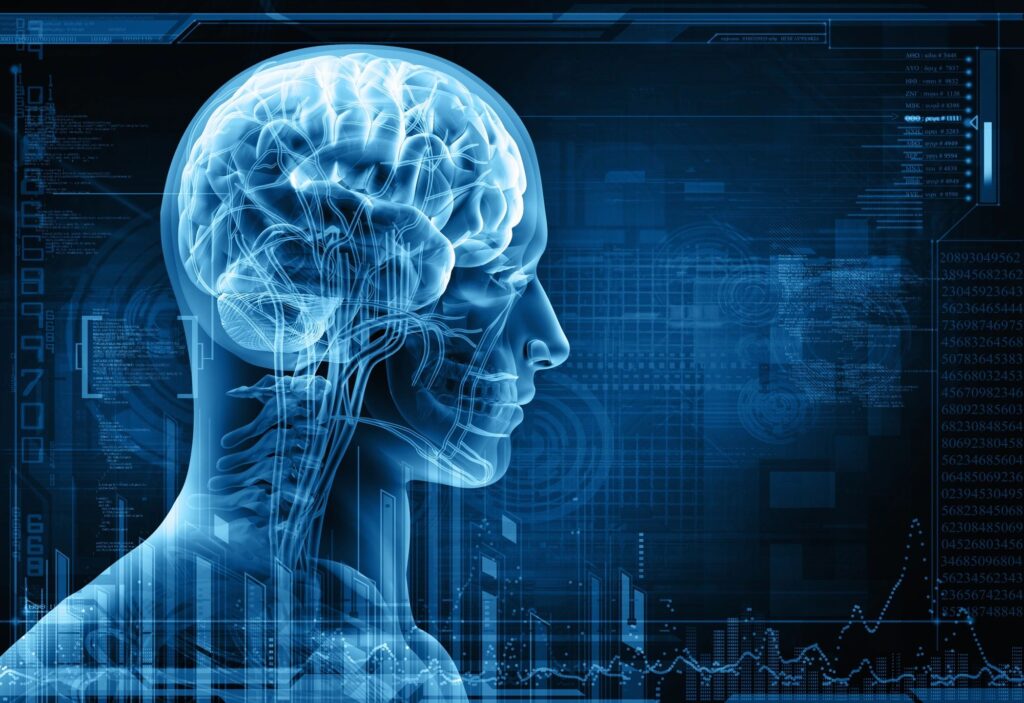
When someone is recovering from addiction, their brain needs time to heal. The good news is that the brain is amazing at fixing itself when given the right tools. One of the most powerful tools for a recovering brain; healing is something simple that anyone can do: exercise.
At Apex Recovery, exercise is an important part of helping people get better from addiction. This isn’t just about getting physically stronger, though that’s great too. Exercise actually helps change the brain in ways that make recovery easier and more successful.
Understanding the Addicted Brain
To understand how exercise helps, we first need to know what happens to the brain during addiction. When someone uses drugs or alcohol for a long time, it changes how their brain works. The brain gets used to having these substances and starts to need them to feel normal.
The brain has special chemicals called neurotransmitters that help us feel good, stay focused, and make good decisions. Drugs and alcohol mess with these chemicals. Over time, the brain stops making enough of its own feel-good chemicals because it expects to get them from substances instead.
This is why people in early recovery often feel sad, anxious, or have trouble thinking clearly. Their brains are trying to learn how to work normally again without drugs or alcohol. This process is called neuroplasticity, which means the brain’s ability to change and create new pathways.
How Exercise Changes the Recovering Brain
Exercise is like medicine for the brain. When we move our bodies, amazing things happen inside our heads. Physical activity causes the brain to release natural chemicals that make us feel better. These are the same types of chemicals that drugs try to copy, but exercise helps the brain make them naturally.
One of the most important chemicals that exercise releases is called endorphins. These are often called “feel-good” chemicals because they create feelings of happiness and reduce pain. People sometimes call this the “runner’s high,” but you don’t have to run to get these benefits. Any kind of movement can help.
Exercise also increases something called BDNF, which stands for brain-derived neurotrophic factor. This might sound complicated, but think of BDNF as food for brain cells. It helps brain cells grow stronger and helps create new connections between different parts of the brain. This is especially important for people in recovery because their brains need to build new, healthy pathways.
Another way exercise helps is by improving blood flow to the brain. When we exercise, our hearts pump more blood, and this blood carries oxygen and nutrients to brain cells. A well-fed brain works better and can heal faster.
Exercise and Stress Relief
Stress is one of the biggest challenges people face in recovery. When someone feels stressed, they might want to use drugs or alcohol to feel better. Exercise gives people a healthy way to deal with stress instead.
When we exercise, our bodies learn how to handle stress better. Regular physical activity teaches the body’s stress response system to be more balanced. This means that when stressful situations come up, people who exercise regularly don’t get as overwhelmed.
Exercise also helps people sleep better. Good sleep is super important for brain healing and for staying strong in recovery. When someone exercises during the day, they usually fall asleep easier and sleep more deeply at night. Better sleep means a clearer mind and better decision-making the next day.
Building Confidence and Self-Esteem
Addiction often makes people feel bad about themselves. They might think they’re weak or that they can’t accomplish anything good. Exercise helps change these negative thoughts by giving people a sense of achievement.
When someone starts exercising, they begin to see what their body can do. Maybe they can walk a little farther each day, or lift something a little heavier, or balance a little longer. These small victories add up and help people remember that they are strong and capable.
Exercise also helps people feel more comfortable in their own bodies. Addiction can make people feel disconnected from their physical selves. Through movement, people start to feel more at home in their bodies again. This connection between mind and body is important for overall healing.
Social Benefits of Exercise
Recovery can sometimes feel lonely, but exercise can help people connect with others. Many types of physical activity can be done with other people. This might mean joining a gym, taking a group fitness class, playing on a sports team, or just going for walks with friends.
Being around other people who are also trying to be healthy creates a positive environment. These relationships can become an important part of someone’s support system. Having friends who encourage healthy choices makes it easier to stick with recovery goals.
Group exercise also teaches important social skills. People learn how to work as a team, encourage others, and ask for help when they need it. These skills are valuable in all areas of life, not just during workouts.
Different Types of Exercise for Recovery
The best exercise is the one that someone will actually do regularly. There are many different ways to be active, so everyone can find something they enjoy. Some people love high-energy activities like running, dancing, or playing basketball. Others prefer gentler activities like walking, swimming, or yoga.
Yoga is especially helpful for people in recovery because it combines physical movement with mindfulness and breathing exercises. This helps people learn to stay calm and focused, which are important skills for avoiding relapse.
Strength training, like lifting weights or doing bodyweight exercises, helps people feel physically strong. This physical strength often translates into mental and emotional strength too.
Outdoor activities like hiking, biking, or gardening have extra benefits because being in nature is naturally calming and healing for the mind.
Making Exercise Part of Recovery
At Apex Recovery, exercise is woven into the treatment program because it’s such an important part of healing. But starting an exercise routine doesn’t have to be overwhelming. The key is to start small and build up gradually.
Someone new to exercise might begin with just a five-minute walk each day. As they get stronger and more comfortable, they can slowly add more time or try different activities. The goal isn’t to become a professional athlete overnight. The goal is to help the brain heal and to build healthy habits that will last a lifetime.
It’s also important to remember that exercise should be enjoyable, not punishment. Finding activities that are fun makes it much more likely that someone will stick with them long-term.
Recovering Brain Support
Exercise is a powerful tool for brain healing during addiction recovery. It helps the brain create natural feel-good chemicals, reduces stress, builds confidence, and provides opportunities for healthy social connections. The brain’s ability to change and heal, called neuroplasticity, means that it’s never too late to start building healthier patterns.
At Apex Recovery, the integration of exercise into treatment programs recognizes that recovery involves healing the whole person, not just addressing the addiction itself. Physical activity provides a natural, healthy way to feel better while supporting the brain’s healing process.
The journey of recovery is different for everyone, but exercise can be a valuable companion along the way. Whether it’s a gentle walk, an energetic dance class, or a peaceful yoga session, movement helps rewire the recovering brain for success. By making exercise a regular part of life, people in recovery give themselves a powerful tool for building a healthier, happier future.