
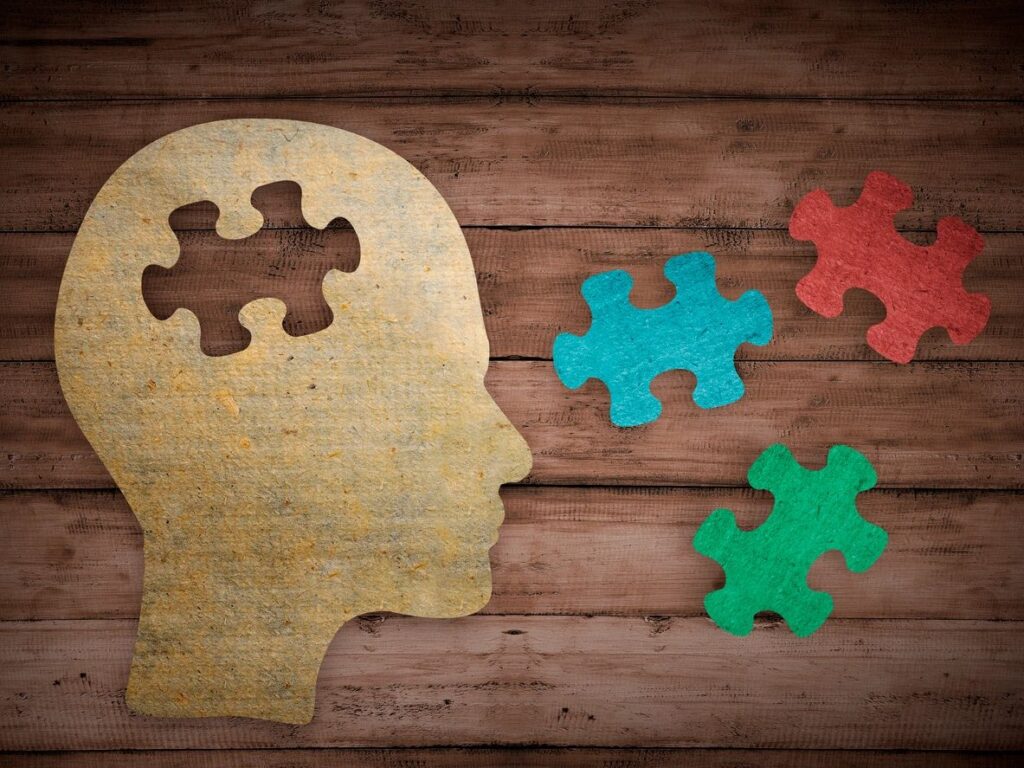
When someone struggles with both mental health problems and substance use at the same time, it’s called a dual diagnosis. This happens more often than you might think. In fact, about half of all people who have a serious mental health condition will also struggle with substance use during their lifetime. The good news is that with the right approach, people can recover from both issues together.
Why Treating Both Problems Together Matters
Imagine trying to fix a car that has both engine problems and brake problems, but only working on the engine. Even if you get the engine running perfectly, the car still won’t be safe to drive because the brakes don’t work. Mental health and substance use problems work in a similar way – they’re connected and affect each other.
When someone has depression and also drinks too much alcohol, the alcohol might make the depression worse. At the same time, feeling depressed might make the person want to drink more to feel better temporarily. This creates a cycle that keeps both problems going.
For many years, treatment centers would try to treat these problems separately. Someone might go to one place for their depression and a completely different place for their drinking problem. But research has shown that this doesn’t work as well as treating both problems at the same time, in the same place, with the same team of helpers.
Integrated treatment means that all the doctors, therapists, and counselors work together as one team. They understand how mental health and substance use affect each other, and they create one treatment plan that addresses both issues together. This approach helps people get better faster and stay better longer.
Proven Methods That Work
Several types of therapy have been proven to work well for people with dual diagnosis. These aren’t just theories – they’re methods that have been tested with thousands of people and shown to help them recover.
Cognitive Behavioral Therapy (CBT) is like learning to be a detective of your own thoughts and feelings. Many people with dual diagnosis have thought patterns that aren’t helpful. For example, someone might think, “I’m worthless, so I might as well drink.” CBT teaches people to notice these thoughts and challenge them. Instead of accepting the thought as true, they learn to ask questions like, “Is this thought really accurate?” or “What would I tell a friend who had this thought?”
CBT also helps people understand the connection between their thoughts, feelings, and actions. When someone learns to recognize early warning signs of depression or anxiety, they can use healthy coping skills instead of turning to drugs or alcohol.
Dialectical Behavior Therapy (DBT) focuses on teaching specific skills for managing difficult emotions. People with dual diagnosis often struggle with emotions that feel overwhelming. DBT teaches four main skill areas: mindfulness (paying attention to the present moment), distress tolerance (getting through crisis situations without making them worse), emotion regulation (understanding and managing feelings), and interpersonal effectiveness (communicating well with others).
These skills are especially helpful for people who use substances to cope with strong emotions. Instead of drinking or using drugs when they feel angry, sad, or anxious, they learn healthier ways to handle these feelings.
Trauma-Informed Therapy recognizes that many people with dual diagnosis have experienced traumatic events in their lives. Trauma can include things like physical or sexual abuse, serious accidents, natural disasters, or witnessing violence. These experiences can contribute to both mental health problems and substance use.
Trauma-informed therapy creates a safe environment where people can process these difficult experiences. Therapists who use this approach understand that certain things might trigger memories of trauma, and they work carefully to help people heal without re-traumatizing them.
Creating a Personal Treatment Plan
No two people are exactly alike, so no two treatment plans should be exactly alike either. Creating a personalized treatment plan means looking at each person’s unique situation, strengths, challenges, and goals.
The first step is a thorough assessment. This involves talking with doctors, therapists, and other professionals to understand the full picture. They’ll ask about mental health symptoms, substance use patterns, medical history, family history, trauma experiences, and current life situation. They might also do medical tests or psychological evaluations.
Based on this assessment, the treatment team creates a plan that addresses the person’s specific needs. For someone with severe depression and alcohol use disorder, the plan might include antidepressant medication, individual therapy, group therapy, and medical monitoring for alcohol withdrawal. For someone with anxiety and marijuana use, the plan might focus more on anxiety management techniques and understanding why they use marijuana to cope.
Medication Management is often an important part of dual diagnosis treatment. Some people need medication to help with their mental health symptoms. However, choosing the right medication for someone with a substance use disorder requires special care. Some medications can be addictive or might interact badly with drugs or alcohol. Doctors who specialize in dual diagnosis know how to choose medications that are both effective and safe.
Regular medication check-ins are important because people’s needs can change over time. What works well at the beginning of treatment might need to be adjusted as the person progresses in their recovery.
Monitoring Progress helps ensure that treatment is working and allows for adjustments when needed. This might involve regular check-ins with therapists, tracking mood and substance use patterns, and celebrating milestones in recovery. Some people find it helpful to keep journals or use smartphone apps to track their progress.
Planning for Long-Term Success
Recovery doesn’t end when someone finishes a treatment program. In fact, the period right after treatment can be one of the most challenging times. This is why aftercare planning is so important.
Support Groups specifically for people with dual diagnosis can be incredibly valuable. While traditional support groups like Alcoholics Anonymous are helpful for many people, dual diagnosis support groups understand the unique challenges of managing both mental health and substance use recovery. Members can share strategies for managing symptoms, discuss medication concerns, and support each other through difficult times.
Some popular dual diagnosis support groups include Dual Recovery Anonymous, Double Trouble in Recovery, and SMART Recovery. Many of these groups are now available online, making them accessible to people who might not be able to attend in-person meetings.
Continuity of Care means making sure there are no gaps in treatment as someone transitions from intensive treatment to independent living. This might involve step-down programs where people gradually reduce the amount of professional support they receive. For example, someone might start with daily therapy sessions, then move to weekly sessions, then monthly check-ins.
Having a crisis plan is also important. This is a written plan that explains what to do if symptoms get worse or if the person feels like they might use substances again. The plan includes warning signs to watch for, people to contact for help, and specific steps to take in different situations.
Self-Management Tools help people take an active role in their own recovery. These might include stress management techniques, healthy lifestyle habits, and ways to stay connected with supportive people. Learning to recognize personal triggers and having a plan for dealing with them is especially important.
Some people find it helpful to create a daily routine that supports their recovery. This might include regular sleep and wake times, healthy meals, exercise, medication times, and activities that bring joy and meaning to their lives.
Moving Forward with Hope
Dual diagnosis recovery is definitely possible, but it takes time, patience, and the right support. The most important thing to remember is that recovery is not a straight line – there will be good days and challenging days. Having a personalized treatment plan that addresses both mental health and substance use, combined with ongoing support and self-management skills, gives people the best chance for long-term success.
If you or someone you care about is struggling with both mental health and substance use issues, know that help is available. Integrated treatment programs understand these complex challenges and have the tools and expertise to help people heal and build fulfilling lives in recovery.
Recovery is not just about stopping substance use or managing mental health symptoms – it’s about creating a life worth living. With the right treatment approach, support system, and personal commitment, people with dual diagnosis can and do recover, going on to live healthy, productive, and meaningful lives.